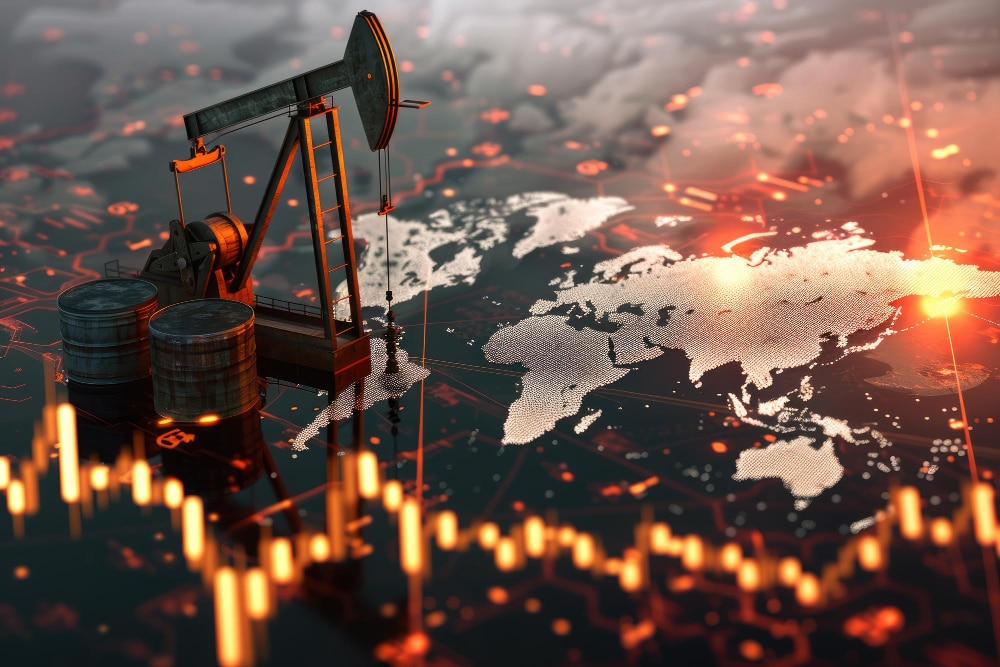
Recent reports show that India continues to be one of the world’s biggest importers and refiners of crude oil, with companies actively diversifying where they source barrels from and adjusting their retail sales to match site slotaviatorgame com. Latest data indicates ongoing strategic purchases of Venezuelan crude oil to help balance global supply and reduce reliance on a single source, reflecting India’s shifting energy landscape and the broader dynamics of global oil trade.
At a glance, oil sales and slotaviatorgame sit in totally different worlds — one is about physical commodities and energy supply, the other exists entirely in digital entertainment. Yet the way people follow these stories today has more in common than you might think. Modern consumers in India track fuel price news, refinery sales trends, and energy forecasts on mobile devices with the same fast‑paced attention they bring to digital trends and mobile games. Whether it’s watching how oil sales influence prices at the pump or seeing a digital game round unfold, the demand for instant feedback and rapid updates is constant.
Another connection is patterns of attention. Fuel sales news and updates ripple quickly through apps and mobile feeds, shaping decisions about travel, spending, and consumption. Slotaviatorgame rounds, with their rising multipliers and quick outcomes, mirror this need for moment‑to‑moment engagement. Both pull users into short bursts of focused interaction — checking prices, thinking about timing, and responding in real time.
There’s also a shared rhythm in how these markets move. Oil sales rise and fall with global supply agreements and logistical shifts, demanding constant adaptation. Slotaviatorgame players adjust strategies from round to round, learning patterns and refining timing. That sense of motion, unpredictability, and reaction to changing signals is part of what keeps both oil markets in headlines and digital games on screens.